
Viral fantasy has proven to be far too big to keep treating like a side shelf, which is why the Nibbies gave readers our very own Science Fiction & Fantasy award in 2024.
The new 2026 British Book Awards shortlist proves not just that fantasy is “finally getting respect,” but that the trade is now publicly recognising what readers, retailers, and publishers have already made obvious. We love literature, and we love romantasy and we love stories full of tropes and smart things to say. The shortlist page itself describes the category as “market-dominating,” which is not exactly shy wording, but sums up this phenomenon well.
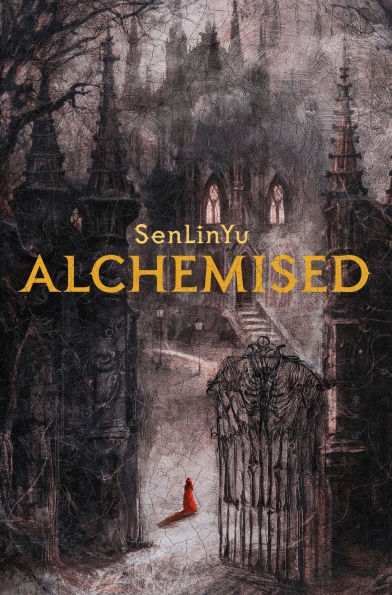
On this dropped list, you will note that Onyx Storm got a full Theory Day, reader-voted endpapers, and 61 events, helping make it the fastest-selling SFF title since records began. Alchemised became the fastest-selling UK debut ever after a no-spoiler campaign (and Manacled backing), influencer event, authorless events, and a sold-out tour. Brimstone had midnight openings in many UK bookshops, etc.
Romantasy/viral fantasy is having a moment.
And we should talk about the cost of that success.
Takeaways
- The 2026 British Book Awards fantasy shortlist confirms that fantasy is now a major commercial force, not a genre tucked away for loyal weirdos (like me!) in the back corner.
- Romantasy helped create the conditions for this shift, even though the shortlist itself is broader than romantasy alone.
- The shortlist mixes blockbuster, prestige-leaning, and internet-fuelled titles in a way that feels very current.
- At the same time, the market is now flooded with lower-effort imitations chasing the same success.
- This is a win for fantasy readers, but it is a complicated one.
- The real question is no longer whether fantasy matters. It is what happens when publishing starts mining that success at industrial scale.
Join The List
Sign up and get all the latest reviews & viral recs. Unsubscribe at any time.
By subscribing you agree to receive emails from The Gilt List. You can unsubscribe at any time.
Why does the 2026 shortlist feel like such a big fantasy moment?

Because it directly confirms what fantasy publishing has become in practice, not just in theory.
For years, fantasy could still be talked about as if it were a loyal niche of community-based readers swapping bent out of shape paperbacks, or AO3 listings in the middle of the night. Now the shortlist is full of books backed by huge campaigns, visible retail energy, and serious scale. The Bookseller’s own write-ups are obsessed, quite reasonably, with how these books were launched, packaged, and turned into events. Fantasy is becoming its own massive cultural moment, in the same way dystopian was post 2010, or supernatural was in the 2000s.
Has romantasy become publishing’s new fast-fashion genre?
A bit, yes, you only have to walk into your local Target or Waterstones to see the vomit of romantasy books – and dark romance genres – littering the shelves. Masses of shadow-daddy-by-numbers books being pushed on the strength of sprayed edges, trope labels, and “you liked this viral one, so here’s fifteen more in the same shade of purple.”
You can see the broader commercial backdrop in the sales numbers, too. The Bookseller reported that UK SFF had its best year on record in 2024, hitting just under £84m, up 41% on the previous high, with romantic fantasy leading the charge. That kind of growth was always going to trigger lots of copying.
Currently, it seems to be going ok, there aren’t too many terribly written books in the genre…yet. But it won’t be long before publishers get desperate and start selling everything to compete with shareholder bottom lines. Just like every genre before it that has met this fate.
Why does the shortlist still matter if the market is flooded?
Hopefully, awards and voices like this will act as a sort of filter. It’s up to award committees and readers to keep the publishing world honest about what people actually love, even if it’s more about tropes and style than substance (as flashy style opens the door to substance).
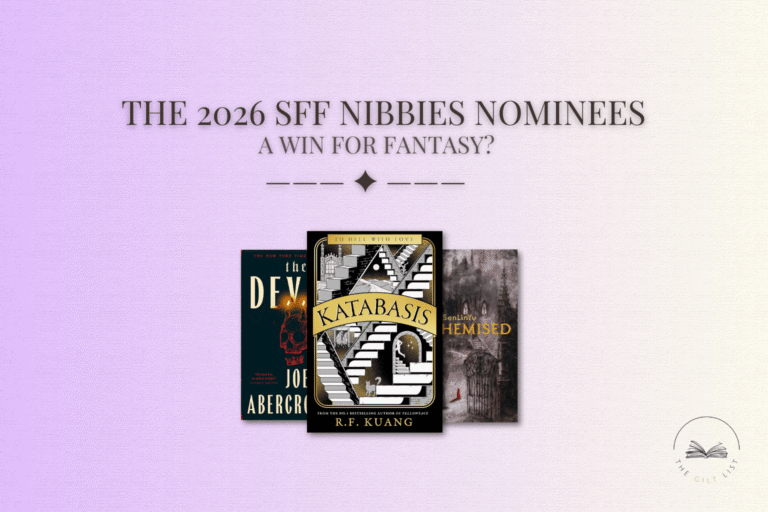
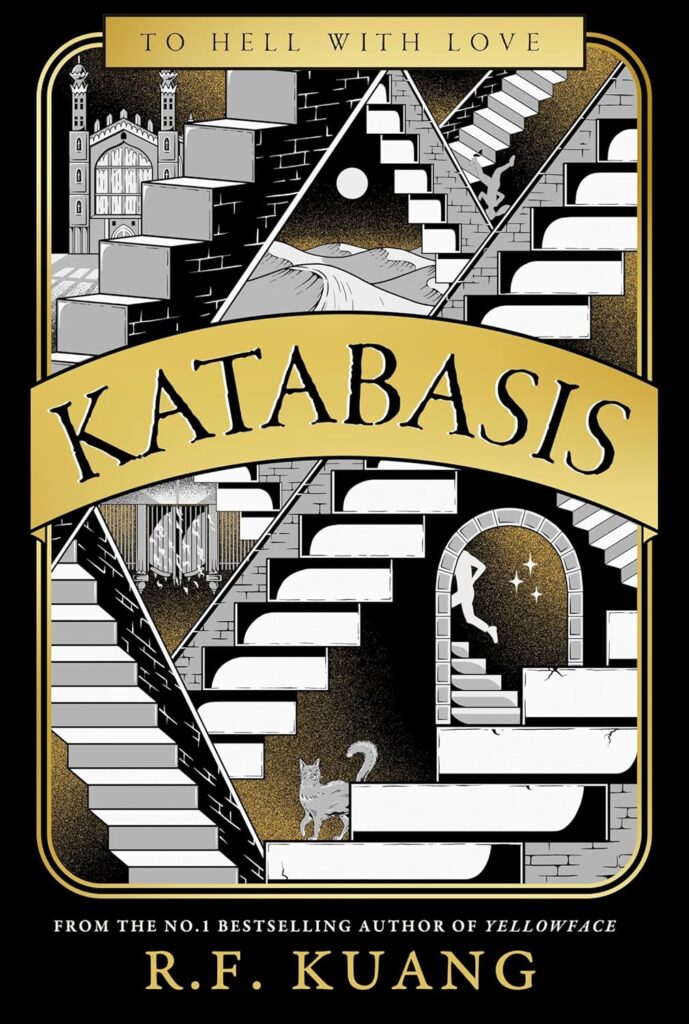
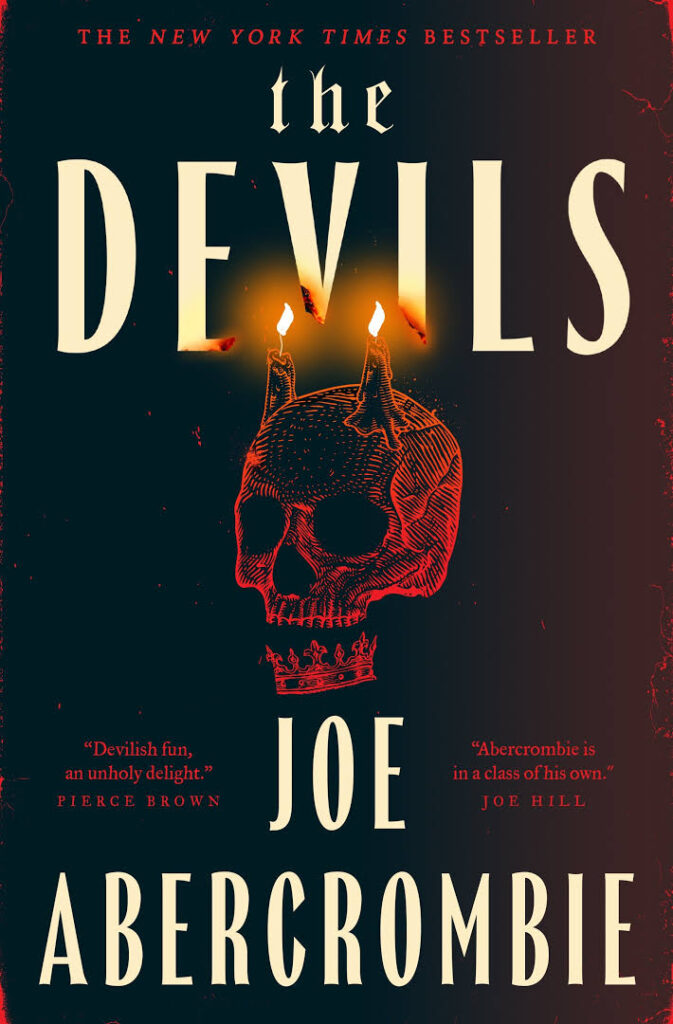
You’ve got Onyx Storm, Brimstone, and Alchemised representing huge reader momentum and campaign power. But you’ve also got The Devils, which gave Joe Abercrombie his first Sunday Times number one, and Ice, a translation project so unwieldy it took seven years to bring into English. Katabasis sits in there too, a smart author who uses linguistic paradoxes and analytical logic thanks to her PHD. Among the big, fun sales, are writers with serious bite. And that’s what this virality should ultimately birth, a new group of readers who want, need, and love both.
Are commercial fantasy and prestige fantasy finally sharing the same space?
Yes, and I think that’s one of the most interesting things about this shortlist.
For years, readers have been pushed into this silly split where commercial fantasy is treated like guilty-pleasure fun and prestige fantasy is treated like the respectable cousin with better posture. If you loved one, you couldn’t go neaaaar the other. But readers aren’t like that, we love literature, writers, books, and ultimately? Good story telling. Real people bounce between big fandom books, dense political fantasy, dark academia, translated speculative fiction, and internet-fuelled cult obsessions all the time. THIS is the future of story telling.
Is this a real win for fantasy readers, or a warning sign?
Both.
It is obviously a win that fantasy is no longer being treated as a side hobby for readers who know where the weird shelves are. It is a win that publishers are investing in the category. It is a win that booksellers are responding to reader demand. It is a win that fantasy, including romantasy, is visibly shaping the market. And ultimately, it’s a win for writers who no longer have to hide behind pen names if they want to branch out.
But it is also a warning sign.
Once the market takes your subculture seriously, it starts packaging it harder, branding it faster, and flattening it into whatever looks easiest to sell at scale. That’s when every book starts being pitched through the same tropes, every cover starts chasing the same cues, and every display starts looking like the algorithm has physically manifested in Waterstones/Barnes & Noble’s. And I’m concerned we’re starting to see edges of that. My local target is now spilling into the center aisles with the same kinds of books (which may all be fantastic, I’ll read them and let you know), but could also be a sign of the end times. Where agents and publishers stop caring about writers with something new to say in the genre. A practice that has kept this genre alive so far.
So yes, this shortlist is a sign that fantasy has won. But it is also a reminder that readers may have to work harder now to protect the things that made the genre exciting in the first place.
Join The List
Sign up and get all the latest reviews & viral recs. Unsubscribe at any time.
By subscribing you agree to receive emails from The Gilt List. You can unsubscribe at any time.
Frequently Asked Questions
The 2026 shortlist is Alchemised by SenLinYu, Brimstone by Callie Hart, Ice by Jacek Dukaj translated by Ursula Phillips, Katabasis by R.F. Kuang, Onyx Storm by Rebecca Yarros, and The Devils by Joe Abercrombie.
Because it reflects how big fantasy has become in publishing. The shortlisted campaigns include record sales, midnight openings, large-scale events, major pre-order momentum, and high-visibility publishing pushes.
Yes. The wider fantasy boom has been helped along by romantic fantasy’s commercial power. UK SFF sales hit a record in 2024, with romantic fantasy helping drive that growth.
Because it increasingly is. Between special editions, front-of-store displays, viral titles, and retailer buy-in, fantasy is now being treated as a major category with high visibility and strong commercial pull.
No, and that’s part of what makes it interesting. It mixes blockbuster romantasy-adjacent titles with grimdark, dark academia, and a major translated SF work.