
Here is my problem with enemies to lovers. Half the time the enemies bit lasts about three chapters and amounts to a man being a little bit grouchy with a lot of power and then everyone’s in love and I’m left wondering where the war went. I don’t want a grump. I want a grudge. I want two people who would genuinely like to win, who circle each other for a whole book, and who only cave when the caving has been earned within an inch of its life. I want theatrics. These four do that. And because they’re standalones, you get the entire slow-motion knife fight and the payoff in one rainy weekend.
Standalone Romantasy With Enemies to Lovers: Takeaways
- Pick Uprooted if you want Polish folklore, a cold wizard, and a slow-building intellectual partnership that quietly becomes something devastating.
- Pick Master of Crows if you want a spy heroine, a morally grey sorcerer, and a dilapidated manor full of crows.
- Pick The North Wind if you want Hades-and-Persephone energy, a frost king, and a heroine who took her sister’s place and is furious about it.
- Pick The Bird and the Sword if you want a mute woman with dangerous magic, a cold king who takes her captive, and a romance built entirely on earned trust.

What Actually Counts as Enemies-to-Lovers Here?
Enemies-to-lovers is one of those genre terms that has been marketed so hard it’s starting to get lost. For this list, enemies to lovers means two protagonists who begin in opposition whose slip toward each other is earned on the page.
What Is the Spice Level for These Standalones?
These picks sit across a range. The tension carries more weight than the heat in most of them, and the heat arrives when it has been earned.
- 🌶 Low: tension-forward, physical intimacy implied rather than shown.
- 🌶🌶 Medium: on-page scenes, balanced with the emotional arc.
- 🌶🌶🌶 High: explicit content present and meaningful to the experience.
Always check the author’s site for a full content warning list before you start.
When the Tension Is the Point
Uprooted
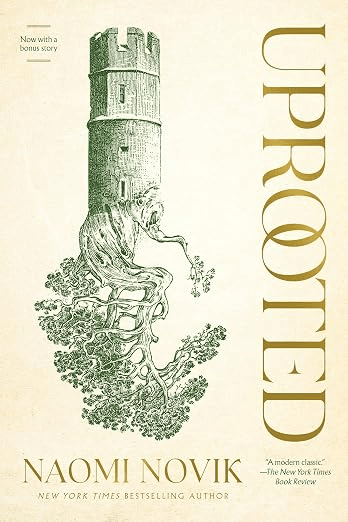
by Naomi Novik
Feel / reader experience
Polish folklore, a cold and frankly insufferable wizard, and a village girl who turns out to be his intellectual equal whether he likes it or not. Early on, the Dragon grabs Agnieszka’s wrist, magics her up to his tower without a word of explanation, and then leaves her to find her own dinner. That’s the man. That’s the whole man. And the book just keeps escalating from there. It flips through a lot of emotions and gives what it says on the tin.
Spice level
🌶🌶 Medium — slow and reluctant. When it breaks it hits hard. Not explicit but not restrained either.
Tropes
Enemies to lovers, cold mentor figure, reluctant chosen one, magic partnership, Polish folklore, war fantasy
Tone
Fairy tale atmosphere that keeps escalating.
Why it made the list
The arc is about independence, not rescue. It opens with him saying we’re going and her saying yes because she has no choice. It ends in an entirely different place, and earns its way there.
Read this if
- You want a fantasy that functions as a proper fairy tale with stakes underneath.
- You like heroines who are not particularly elegant but are stubborn and not afraid to be themselves.
- You want the intellectual connection to arrive before the romantic one.
Skip this if
- You need the romance to remain the primary thread throughout because the book pivots hard to war in the second half.
- You prefer a love interest who is warm from early on. The Dragon is cold and condescending for a long time.
What readers are saying
- The pacing shift from intimate tower tension to full-scale war divides readers a lot. The second half is a different book.
- Agnieszka is either the best kind of messy heroine or genuinely maddening, depending on your tolerance for impulsive decisions.
- The forest as villain gets consistent praise. Readers describe it as unsettling in a way most antagonists are not.
- Readers who go in for the romance and stay for the fantasy consistently say it was worth the adjustment.
- Likely DNF trigger if you need the love interest to be readable from the start, the Dragon’s early coldness may be too much.
Master of Crows
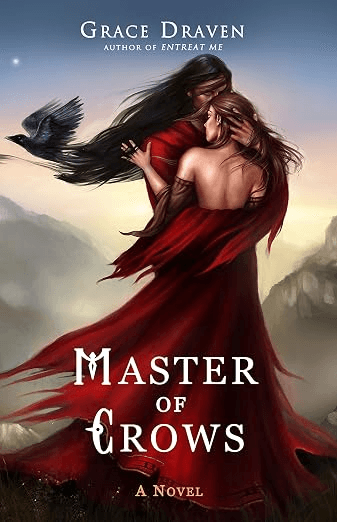
by Grace Draven
Feel / reader experience
A falling-down manor full of crows, an arrogant recluse of a sorcerer, a woman sent to spy on him, and an old god muttering in the walls. Martise isn’t there by choice; she’s enslaved, she’s there to steal from Silhara, and she fully intends to do it. Then there’s the moment she finds the very thing she was sent to take, holds it in her hands, and puts it back for reasons that could emotionally destroy them all, or you.
Spice level
🌶🌶 Medium — builds slowly and pays off properly. Nothing rushed, nothing wasted.
Tropes
Enemies to lovers, spy heroine, morally grey sorcerer, slow-burn cohabitation, old god interference
Tone
Slow-burning, threaded through with dry humour and danger. The romance feels lived-in rather than explosive.
Why it made the list
Because the chemistry is earned the slow way, through proximity, shared danger, and a small cast you actually keep track of where there is a lot of dangerous tension that can ruin everyone day. Plus it’s one book, full stop.
Read this if
- You want a slow, deliberate enemies-to-lovers with a spy premise underneath.
- You like morally complicated love interests whose cruelty is fun to watch, not just vague feels.
- You are happy for the romance to feel like it accumulated rather than insta love.
Skip this if
- The power imbalance between an enslaved woman and the man she is sent to spy on is a hard stop for you — it does not fully resolve on equal footing before the romance takes hold.
- You want fast-paced banter-heavy enemies-to-lovers. This is slow and atmospheric.
What readers are saying
- The chemistry is described as building.
- Silhara’s early cruelty is a split point — readers who stayed say it earns its place; readers who left say it didn’t.
- The small cast and focused worldbuilding are consistently cited as strengths.
- The dry humour threaded through the darkness catches readers by surprise in a good way.
- Some readers felt the romantic resolution came slightly too quickly after the long build.
- Likely DNF trigger: if the enslaved-woman premise combined with early unkindness from the love interest is a line you cannot step over, know it before you start.
The North Wind
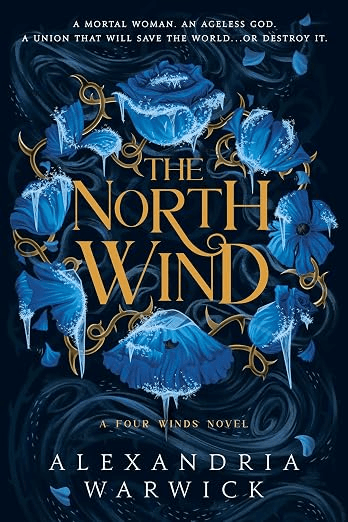
by Alexandria Warwick
Feel / reader experience
Wren’s sister was meant to be taken by the Frost King. Wren steps in at the last second instead, lands in his winter kingdom furious, and fully intends to survive him out of spite if nothing else. Boreas is cold in the most literal way — ancient, powerful, completely indifferent to one small human’s feelings, right up until he isn’t. The fun lusty stuff is basically the part where he goes from “I could care less” to falling head over.
Spice level
🌶🌶 Medium — the slow burn pays off properly and the heat earns its place.
Tropes
Hades and Persephone retelling, Frost King love interest, heroine sacrifices herself for family, enemies to lovers, winter realm setting, reluctant captive
Tone
Cold and atmospheric, with a romance built on wariness. The winter world is vivid, and the power imbalance is real, adding to all the satisfying feels.
Why it made the list
For when you want your Hades and Persephone frosty before it goes warm. This trope doesn’t always go that way, so it depends on whether a cold Hades is your sort of thing. However, it is very will they won’t they, and worth a book you read in one go.
Read this if
- You love Hades-and-Persephone dynamics and want the power differential to feel real before it softens.
- You like heroines who stepped into danger for someone else and refuse to be broken by it.
- You want a winter realm that feels atmospheric.
Skip this if
- You need the love interest to show warmth or vulnerability relatively early. Boreas is cold for a significant stretch.
- You want equal weight on the external plot and the romance. The romance is the primary thing here.
What readers are saying
- The atmosphere of the winter kingdom is the most consistently praised element.
- Boreas’s incremental shift from indifference to something else is described as one of the more satisfying cold-to-warm arcs in recent fantasy romance.
- Some readers felt the pacing in the middle section slowed before the dynamic shifted.
- The Persephone structure is familiar but the winter-specific execution is called fresh enough to earn its place.
- Readers who wanted more explicit content sometimes felt the payoff came later than expected.
- Likely DNF trigger: if you need the love interest to be readable from early on, the patience this book requires may test you.
The Bird and the Sword
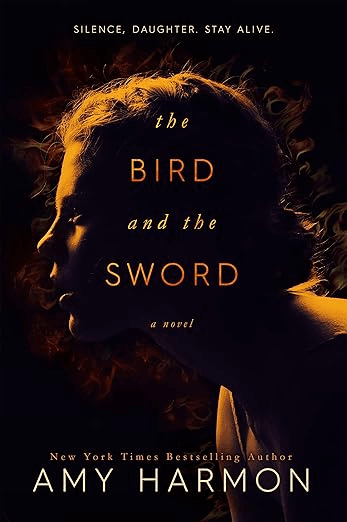
by Amy Harmon
Feel / reader experience
Lark has been mute since childhood and Tiras is the cold, pragmatic king who takes her captive because her gift is dangerous and he needs to understand it. Here’s the clever bit that the author chose to do: she can’t speak, so every meeting between them has to be carried by what she does and how he responds to a woman who literally cannot charm or flatter or perform deference at him. The moment he realises she isn’t afraid of him it’s all over.
Spice level
🌶 Low — tender and emotional. The romance is built on trust and earned slowly through action rather than words.
Tropes
Mute heroine with magic, cold king, enemies to lovers, captive heroine, slow trust build, fantasy kingdom
Tone
Lyrical and earnest. The silence mechanism gives the romance a specific “thing” to it which is a really interesting choice form the author. Every interaction carries more weight because communication is already constrained. It’s quite fun.
Why it made the list
Because a romance built almost entirely without the heroine being able to say a word is doing something genuinely difficult, and Harmon pulls it off. The trust has to be shown, never told, and that discipline pays off completely by the end. Low spice, enormous feeling, one book.
Read this if
- You want a romance where the emotional development has to happen through action and observation rather than dialogue.
- You like cold love interests whose warmth arrives through what they do rather than what they say.
- You want low spice and high feeling with a proper resolution in one book.
Skip this if
- You find mute or speech-constrained heroines frustrating to read — the premise is central and not resolved until near the end.
- You need explicit content or declared romance to stay engaged.
What readers are saying
- The silence mechanism is described as more emotionally effective than readers expected going in.
- Tiras’s shift from cold pragmatism to something else is the most cited emotional arc in positive reviews.
- The lyrical prose divides readers — some call it beautiful, others find it overwrought.
- Readers who love low-spice, emotionally heavy fantasy romance consistently recommend this as one of the best examples.
- Some readers felt the ending resolved faster than the long slow build warranted.
- Likely DNF trigger: if you need vocal, communicative heroines and declared romantic tension, the silence premise will frustrate you throughout.
Also Worth Reading
Bride by Ali Hazelwood
Vampire and werewolf political marriage that functions as enemies-to-lovers. Fast, funny, and explicitly modern. Fully standalone.
Amid Clouds and Bones by Ella Fields
Half-fae princess, arranged marriage with a terrifying Seelie prince, feral enemies-to-lovers energy in one complete book.
For the Writers in the Room
What all four of these books do right is commit to the antagonism early. The Dragon in Uprooted is cold in ways that have a logic. Silhara’s cruelty toward Martise is rooted in their situation. Boreas’s indifference is ancient and structural. Tiras’s coldness is pragmatic rather than cruel. In every case, the reader knows what is standing in the way of the romance before the romance becomes possible, and that is what makes watching it dissolve feel real rather than plot-convenient.
The weaker version of this trope is what readers now call grumpy sunshine — one person who is rude and one who is inexplicably cheerful, and the antagonism amounts to mild irritation that resolves with a single revelation. What separates genuine enemies-to-lovers from that is stakes. All four of these books have something real blocking the path.
If you are writing enemies-to-lovers as a standalone, the question to ask is: what has this character actually done that makes dislike credible? And then: what single moment before the halfway point makes the reader believe the change is possible without making it feel easy? The answer is usually a small thing — not a grand gesture but a moment of unexpected honesty that neither character knows what to do with, rather than plot changes.
If you want structural feedback on your opening chapter, the First Chapter Critique is built for exactly this. For a full manuscript look, Developmental Editing at The Gilt List covers story structure, genre promise, and Act 1 mechanics.
More craft posts at the Writers Hub.
More From The Gilt List
Browse all romantasy recs by trope, spice, and mood at the Romantasy Hub.
For more standalones, the Standalone Romantasy Guide covers picks across every spice level, and the Standalone Romantasy on Kindle Unlimited list has the KU-specific finds.