
June disappeared for me in roughly fourteen minutes, and July arrived carrying three sequels, another magical academy and several more morally grey men who probably just need therapy and much more of the latest romantasy news that we must discuss. So it’s been a bit of a whirlwind summer for me. Within that I put together a great standalone series and finished building the “find your next read” tool, which you can use if you throw your email into the little box.
This summer we get big releases, chart wins and more proof that indie romantasy is now one of traditional publishing’s most reliable hunting grounds. We also watched an author publicly step away from the film adaptation of her own book, opened the UK’s first dedicated romantasy shop, and welcomed several established writers into the genre.
Let’s jump in or check out more book news here.

The Giants Update: The Indie Pipeline Is Still Running Publishing
Sarah A. Parker Took the Top Spot
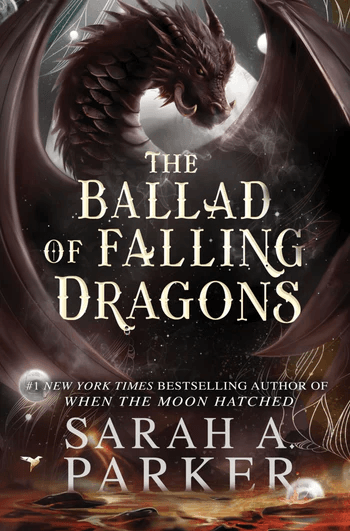
One of June’s clearest commercial stories belonged to Sarah A. Parker.
The Ballad of Falling Dragons, the second book in the Moonfall series, entered the charts as the number-one book in the country. Its first-week hardcover sales were more than double the combined opening print sales of the earlier hardcover and trade editions of When the Moon Hatched.
That is quite a journey for a series that began through self-publishing…and if you haven’t watched NewlyNova’s breakdown on how incredibly fun, and ridiculously wonderful this series is, then it’s a must watch.
When the Moon Hatched became one of those enormous BookTok books where readers either spoke about it as though Parker had personally reinvented language or emerged from 700 pages looking slightly concussed. There was not much middle ground. Avon picked it up, gave it the full traditional publishing treatment and now has a sequel capable of opening at number one.
It’s that same old publishing pipeline we’re seeing over and over:
- An indie author builds a visible audience.
- Readers prove there is a market.
- A traditional publisher acquires the series.
- The books return with a major campaign, wider distribution and enough special editions to construct a small decorative wall.
Publishers are not discovering these audiences. Indie authors are doing the expensive and difficult work of finding them first, and publishers come along looking for a pay day in exchange for prestige. Which, fine, wider bookstore placement, international rights, marketing support and print distribution can change an author’s career. But the power dynamic is different when an author arrives with hundreds of thousands of readers already waiting and it’s changing how books are booking across the board.
The Moonfall launch is another sign that the indie-to-traditional route is no longer an unusual romantasy success story. It is becoming part of the standard acquisition model, just like All The Young Dudes.
Rachel Schneider’s Readers Followed Her into Hardcover
Rachel Schneider’s Fire & Metal series began independently before receiving a traditional publishing release. The newest hardcover performed significantly better than the previous book’s opening, showing that readers did not disappear when the books moved into a new publishing phase. This is something publishers are also playing with and it’s working. For better or worse, who’s to really say.
There is sometimes a rather patronising assumption that indie romantasy succeeds because readers are temporarily hypnotised by TikTok and everyone over there simply doesn’t know what they’re talking about. But these launches suggest readers remember the authors. They follow the series. They preorder the sequel. And they don’t need to be influenced every 5 minutes to do it. The demand is there, and the publishers are circling.
The Adaptation Story: Tomi Adeyemi Walks Away
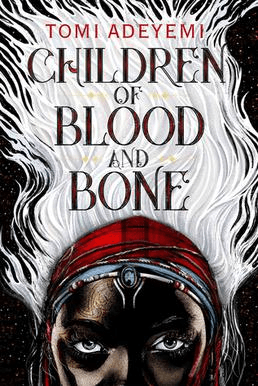
The biggest author story of July was Tomi Adeyemi publicly distancing herself from the forthcoming Children of Blood and Bone film. Ouch. The quote? Messages sent to star Stenberg that pretty much said: “Do not ever use my name in an interview or video again. Do not text me. Do not call me.”
On July 5, Adeyemi said she was officially separating her name from the adaptation, writing that she could no longer continue being hurt and attacked behind the scenes. She also shared screenshots showing that she had blocked Amandla Stenberg, who is attached to star in the film. That’s Rue from Hunger Games for those who don’t know.
There are still major gaps in what the public knows, and it would be irresponsible to start constructing an entire behind-the-scenes war from a few posts, but I can’t say this rabbit hole isn’t one worth going down. This is a massive fantasy story that is well beloved, and I do wonder if this means some fans will refuse the watch.
Authors have been unhappy with adaptations since Hollywood first looked at a novel and thought, “Great work. Now what if we changed almost all of it?” But Adeyemi’s statement feels different to me, because mostly we see the author complain long after the series comes out. For her to lay it out now, is a little wild, and must be something she deeply thought about. We can talk about author control and whether things should be changed and I have in the latest Fourth Wing announcement.
Romantasy Now Has Its Own Bookshop
In considerably happier news, yey, the UK has opened its first bookshop dedicated specifically to romantasy. Freaking, awesome.
Bad Girl Books opened in Jericho, Oxford, behind a pair of extremely pink doors. Founder Starlin Marot created the shop after becoming frustrated with the relatively narrow romantasy selection available in mainstream bookshops. The store carries both traditionally published and independent books, with readers lining up for its opening.
Romantasy has spent years being described as a trend, usually by people who seem deeply offended that women have once again spent their own money on something they enjoy, how dare we. And a dedicated physical store gives the genre its own browsing culture, events, recommendations and shelf space. Wishing I was still in London and could take a look, guess some of us will have to live vicariously through Social Media.
New Authors Enter the Romantasy Machine
Ashley Poston Is Heading to a Magical Academy
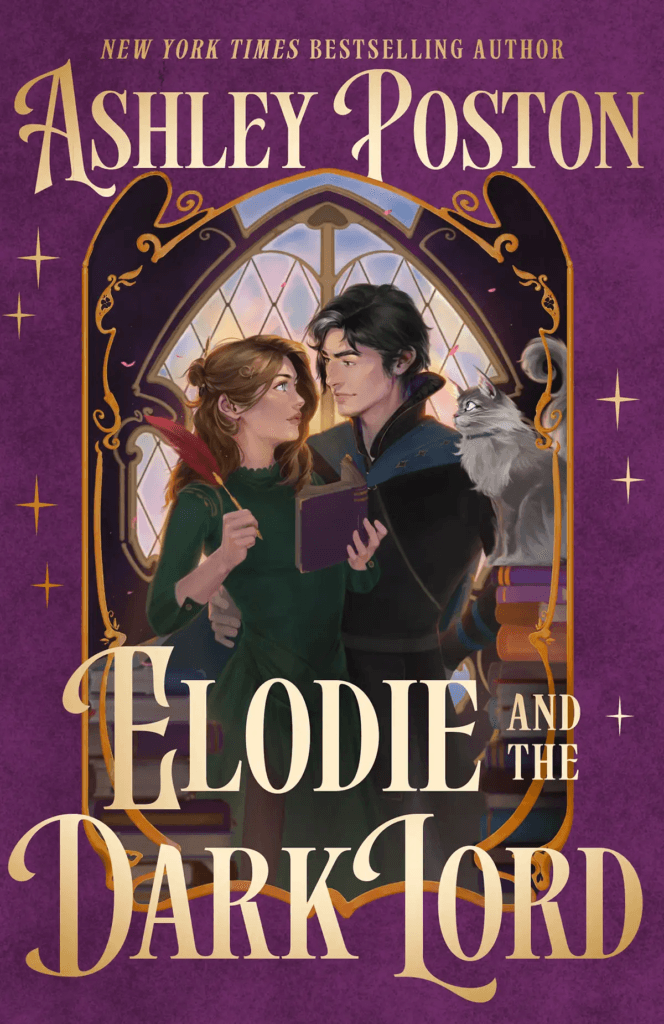
Ashley Poston announced her first adult romantasy, Elodie and the Dark Lord, coming March 23, 2027. The book begins a duology and follows a magicless librarian who infiltrates an elite magical academy before becoming involved with the resident Dark Lord. It is being positioned as Never Been Kissed meets Emily Wilde’s Encyclopaedia of Faeries, with cozy fantasy, dark academia and Poston’s usual emotional warmth thrown into the mixture.
A magicless librarian entering a magical academy is, admittedly, almost offensively well targeted at me.
Poston is best known for contemporary romance with speculative or magical elements, including The Dead Romantics and The Seven Year Slip, but then again, so were many of the giants we see in Romantasy today. Moving into full romantasy is not an enormous creative leap and totally works, but it is another sign that the genre is attracting established romance authors rather than relying solely on fantasy writers increasing the romantic content.
Romance and fantasy create different reader expectations. Fantasy readers are often looking for worldbuilding, political systems, external stakes. Romance readers expect the relationship to carry structural weight and usually expect an emotionally satisfying ending. You gotta be a strong romance writer to pull off Romantasy.
Poston already understands romantic structure. The interesting question is how deeply she will build the fantasy around it.
Jean Kwok Makes a Much Bigger Genre Jump
Jean Kwok entered romantasy this July with Dominion, the first novel in her Silk and Iron trilogy. Kwok is known for literary and suspense novels rather than fantasy romance, which totally makes me side eye Freida McFadden, will she make the same switch? Dominion follows Rubi Morningtail, a refugee and ribbon dancer with missing memories who becomes involved with a group of warriors fighting a demon invasion. The story draws from Chinese mythology and was partly inspired by Kwok turning to fantasy and romantasy during a painful period in her personal life.
The book is being compared with Fourth Wing and The Hunger Games, which are massive shoes to fill.
Kwok brings a different publishing background, different cultural influences and a stated interest in using fantasy as refuge. Whether Dominion manages to balance all its promised elements is something readers will decide.
The Fresh Drops: What Is Actually Coming Out in July?
July is a sequel-heavy month. Here are the releases that look most promising.
In the Wake of the Ruined by Kalie Cassidy
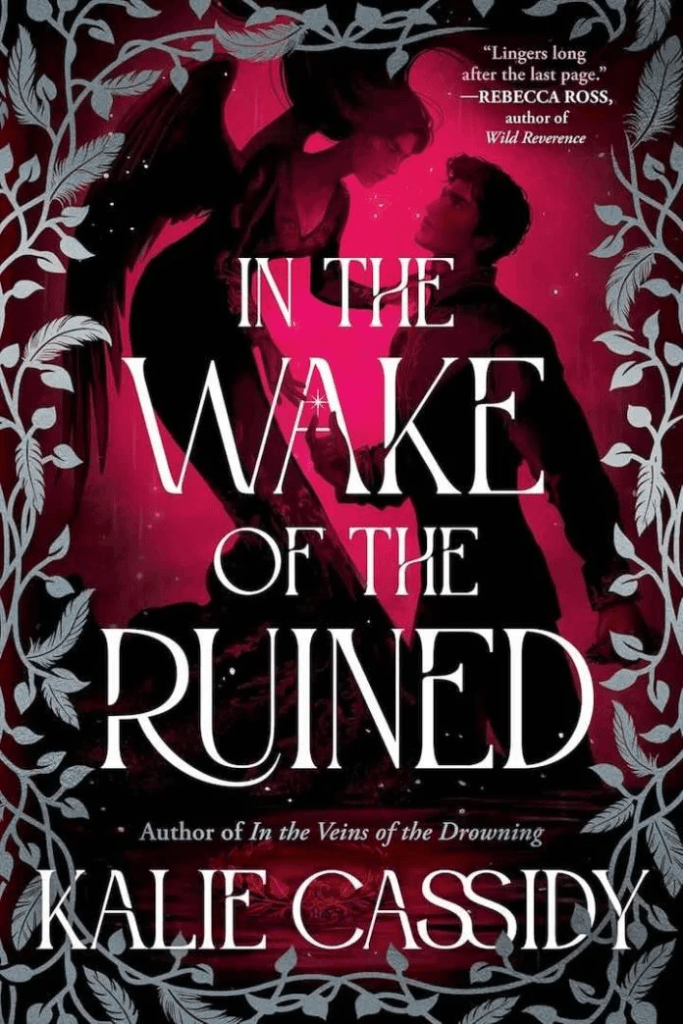
Released July 7
The second and final book in the Siren Mage duology picks up after In the Veins of the Drowned, with Imogen dealing with a corrupted divine bond, impending war and the political consequences of everything that happened in the first book.
Early reader reactions suggest the pacing has improved, although some still found the middle slower than the opening and ending.
The vibe though? Sirens, war, divine corruption and forbidden romance.
Should you read it? Read it if you enjoyed the first book but wanted the plot to move with slightly more urgency. Do not begin here unless confusion is part of your preferred reading experience, you know, starting in the middle tends to throw people.
Manor of Decay by Maxym M. Martineau
Released July 7
Manor of Decay continues the Threadmender Chronicles after House of Blight. It leans into gothic fantasy, death magic and a world that seems to be decomposing around its characters. This looks like the July choice for readers who want atmosphere and depth. The comparison titles have leaned toward Rachel Gillig and T. Kingfisher. Who I simply love.
The vibe isss Gothic decay, dangerous magic, death and morally inconvenient choices.
Should you read it? Yes for readers who liked House of Blight. New readers should begin with book one…duh.
Dominion by Jean Kwok
Released July 14
As mentioned above, Dominion launches a new trilogy rooted in Chinese mythology, political conflict, demons and magical warrior bonds.
There is a lot happening in the premise. We have lost memories, a refugee heroine, ribbon dancing, magical tygers, rival territories and a demon invasion. It could feel rich and layered. It could also feel as though six separate fantasy novels got shoved together a bit.
Still, it is one of July’s most interesting new entry points because it is not a sequel and comes from an author entering the genre with an established sense of character and emotional stakes.
The vibe here: Chinese mythology, magical creatures, lost memories and war.
Should you read it? It is one of the month’s stronger options for anyone craving a new world.
Prince of Swords by Elise Kova
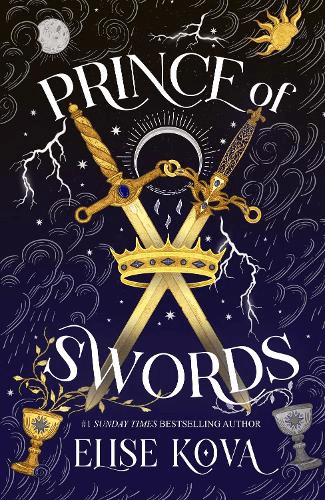
Releases July 21
The second Arcana Academy book returns to Clara Graysword, Prince Kaelis and the dangerous tarot magic introduced in the first novel.
The academy remains one of the main attractions, but the sequel widens the story through the Worldkeepers, a secretive order offering Clara another possible path. Naturally, trusting them will almost certainly be the least sane idea.
The first book established a dangerous headmaster romance, magical study and misinformation twists. The sequel now needs to deepen the world.
The vibe for this one: Tarot magic, magical academia, dangerous alliances and forbidden desire.
Should you read it? Probably, if book one worked for you. Kova is experienced with sustained fantasy series, and the Worldkeepers may give the story enough external pressure to prevent the romance from circling the same conflict.
The Internet Discourse This Month Is Tropes
Readers still use tropes to find books. That is not inherently shallow, and I refuse to pretend it is. Tropes are awesome and unite people and do the thing all good evolving language should. Describe experiences succinctly.
The problem is tropes vs. sales pitch. We saw a little of this with Innamorata. Readers are noticing there is a trope to delivery mismatch.
Calling something enemies-to-lovers creates a promise that the publisher and author make to the reader, and you should never break a promise to a reader unless you really want to be defenestrated.
There is also a wider discovery problem. When every book is sold through the same handful of phrases, genuinely different stories begin to look identical, and it becomes very hard to tell what the feel of the book actually is. A political fantasy romance influenced by Chinese mythology and a gothic manor story about death magic should not arrive with interchangeable marketing copy simply because both contain an attractive man making questionable decisions about his smoulder. As time goes on, maybe we’ll see this trope issue evolve. I’ve noticed lately an increase in sub-sub-genres both in the reader and writer space, where writers hash out to each other what genre their book actually falls under (and there are a lot more than their used to be).
For the Writers in the Room
A trope can help readers find your book. It cannot make the book work.
Enemies-to-lovers still needs an actual source of conflict between the characters that isn’t “he said something mean to her once”. A slow burn needs progression, not delay and then sudden lust. And a morally grey character needs moral complexity, not merely a knife collection.
The marketing promise begins with the trope. The story has to complete it. And if you’re starting from trope to execution, you better understand that trope fully and what the reader actually expects. It also means being honest about which element carries the story once you finish writing, because sometimes the writing doesn’t follow the planned trope, if you know you know.
The next issue is that your opening chapters should establish that trope early, yes even if the main characters haven’t met each other yet to play out the trope in front of the reader. There should be hints, through desire, personality, the setting. These hints need to orient the reader, introduce meaningful stakes and show why this particular character is the one we should follow through the story.
June and July FAQ
Sarah A. Parker’s The Ballad of Falling Dragons reached number one in the country. Its launch continued the Moonfall series’ shift from self-published BookTok success to major traditional publishing release.
Tomi Adeyemi announced on July 5 that she was separating her name from the adaptation. She referred to being hurt and attacked behind the scenes, although the complete circumstances surrounding the conflict have not been made public.
Major releases include In the Wake of the Ruined by Kalie Cassidy, Manor of Decay by Maxym M. Martineau, Dominion by Jean Kwok and Prince of Swords by Elise Kova.
Ashley Poston’s first adult romantasy is Elodie and the Dark Lord. The first book in a planned duology follows a magicless librarian who enters an elite magical academy. It is scheduled for March 23, 2027.
No. Readers still rely on tropes to find books that match their preferred relationship dynamics and emotional experiences. The growing criticism is aimed at books marketed almost entirely through tropes without a clear premise, substantial conflict or satisfying execution.
Bad Girl Books is the UK’s first shop dedicated to romantasy. Its opening shows that the genre now has enough commercial strength and reader loyalty to support specialist physical retail rather than existing primarily through online communities and general bookstore displays.