

Readers ask this all the time because the labels are messy, BookTok uses them like everyone was handed the same secret handbook, and then you open Goodreads and realise half the internet is using romantasy, fantasy romance, and romantic fantasy like they are either exactly the same thing or wildly different species. For real. No wonder people are confused.
After this, if you are still not sure where you land, the what romantasy book should I read next guide is a good starting point. For more romantasy options check out the romantasy hub.
Takeaways
Basically, fantasy romance usually means a romance novel set in a fantasy world where the love story IS the main engine of the book. Romantasy is the newer internet friendly label readers use as a broad umbrella for fantasy books with a strong romantic thread, meaning it loosely covers both fantasy romance and romantic fantasy depending on who is using it. In practice, people use all three interchangeably, which isn’t helpful to be fair.
The most useful distinction, if you’re browsing book is if the romance feels like the main engine of the story, you are probably in fantasy romance territory. If the fantasy plot can still stand on its own even without the kissing, yearning, betrayal, and magical mating, it is more likely romantic fantasy. Romantasy covers both, loosely.

Join The List
Sign up and get all the latest reviews & viral recs. Unsubscribe at any time.
By subscribing you agree to receive emails from The Gilt List. You can unsubscribe at any time.
What does fantasy romance mean?
Fantasy romance is a romance story that happens in a fantasy setting. The relationship is not decoration, nope, it is the main point. The couple is central to the story; if their chemistry flops, so does the book. The romantic arc drives the plot forward to boot. The fantasy setting in this version provides the backdrop, the stakes, and the world, but the story is fundamentally about the relationship.
If you think of it in Romance genre terms then fantasy romance follows romance rules first, fantasy rules second. The emotional arc between the characters matters as much as or more than the war, prophecy, quest, curse, rebellion, dragon problem, fae court politics, or whatever big magical crisis is happening in the background. The romantic payoff matters more than whether the war makes geopolitical sense.
A fantasy romance usually gives you:
- A central couple or romantic arc that drives the book forward
- A fantasy setting that shapes the stakes, but does not overshadow the relationship
- Emotional development that is essential, not optional
- A romantic payoff that feels intentional rather than shoved in at chapter thirty eight because someone on the marketing team panicked
This is why fantasy romance often overlaps with romantasy as readers do not use these labels neatly. But in practice, fantasy romance suggests the relationship is the main event, with the fantasy world as its very interesting stage.
What does romantic fantasy mean?
Romantic fantasy is a fantasy novel first, with a meaningful romance woven through it. The world, the plot, the politics, the magic system, the quest, keeps the story going. The romance deepens the experience and matters to the characters, it may help them grow as people, but you could describe the plot without mentioning the love interest and it would still make complete sense. Their love doesn’t end or start wars, for instance.
Books that do this well don’t let the romance swallow the entire book.
A romantic fantasy usually gives you:
- A clear romantic arc that matters to the story
- A fantasy setting with its own real plot, stakes, and momentum
- Emotional development that feels important, not decorative
- A relationship that enriches the journey rather than driving it
For a practical example of romantic fantasy done well, the fantasy romance books like ACOTAR list breaks down exactly how those books balance world and romance depending on where you are in the series.
What does romantasy mean?
Romantasy is a cute reader-created shorthand for romance plus fantasy. It is not an especially old publishing category but it is a very online label, and readers use it because it is fast, obvious, and easier to throw into a caption than “fantasy novel with a strong romantic subplot and crossover appeal to romance readers.”
In the loosest sense, romantasy is a broad umbrella term that covers both fantasy romance and romantic fantasy. Some readers use it more specifically to mean fantasy books with intense relationship focus, lots of yearning, emotional stakes, and usually at least one morally grey man who probably needs therapy and definitely has a knife. If you want examples of that energy in action, the best shadow daddy romantasy books list covers exactly that archetype in detail.
That is why people keep googling the difference between romantasy and fantasy romance, and fantasy romance vs romantasy, what’s the difference book. They are trying to work out whether these labels tell them something useful about the reading experience. Sometimes they do. Sometimes they absolutely do not, and it gets confusing.
What readers usually mean when they say it
This is where it gets more practical, because readers on Goodreads, TikTok, YouTube, Reddit, and book blogs are not usually arguing like librarians. They are describing a feel of a book, the thing that makes it tick. If you Google types of fantasy romance or romantic fantasy you will find a different feeling in your books.
When most readers say fantasy romance, they usually mean:
A romance-driven book where the couple is the point, and the fantasy setting is what makes it interesting rather than a plain contemporary backdrop.
When most readers say romantic fantasy, they usually mean:
A fantasy book with a meaningful romance. You know, one where the world and story could stand on their own, but the love story gives it emotional weight and keeps you turning pages.
When most readers say romantasy, they usually mean:
A fantasy book with a strong romantic experience that feels like it follows the same roadmap as others in the genre, with emotionally intense love interests.
In reader spaces, romantasy is all about the tone…you know James Bond action style spy movie when you see it, and romantasy is its own version of that. Think enemies to lovers, forced proximity, fated mates, touch her and die, shadow-wielding, etc, etc. That does not mean every romantasy book is fluffy or tropey or simple; some of these authors are brilliant, but you should expect the same energy throughout.
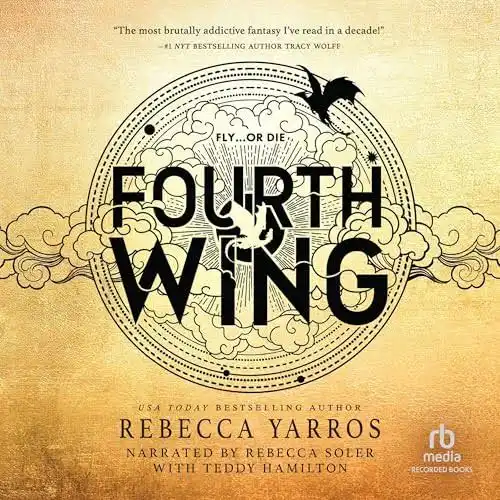
Fourth Wing is one of the clearest modern romantasy examples but if you have already read it, the books like Fourth Wing list covers what to read next.
Fantasy romance vs paranormal romance
Paranormal romance takes place in a world that feels connected to ours, even if it contains vampires, demons, witches, werewolves, ghosts, or other supernatural elements. The setting is often urban, modern, or recognisably contemporary.
Fantasy romance is broader. It can include secondary worlds, invented kingdoms, epic magic systems, quests, courts, monsters, gods, ancient curses, and all the rest of it.
It’s more about the world building for both, but one is kingdoms and far away lands, the other is your back yard monsters.
Fantasy romance vs romantic fantasy
This is the actual useful split, and yes, people blur it constantly.
Fantasy romance = romance first, fantasy second.
Romantic fantasy = fantasy first, romance second.
That does not mean one is better but it does mean the story is prioritising different things.
A fantasy romance asks the story at large: will these two beautiful idiots get together, and what magical nonsense is complicating that?
A romantic fantasy asks: what is happening in this world, can the MC reach her goals, oooh who is that cute guy?
Join The List
Sign up and get all the latest reviews & viral recs. Unsubscribe at any time.
By subscribing you agree to receive emails from The Gilt List. You can unsubscribe at any time.
What it does not mean

Right. So now I give my silly opinion.
First, romantasy does not automatically mean bad fantasy for people who only care about kissing. That take is tired and a bit embarrassing now, there are some brilliant authors out there who write poetically, epically, understand the market, etc, and they need recognition, dammit. Plenty of romantasy readers want layered worlds, competent plotting, and actual emotional logic, with a siiiide of shadow daddy/brooding man. Wanting both magic and chemistry is not some intellectual crime.
Second, fantasy romance does not mean the fantasy is flimsy by default. It can be, it’s also ok to sometimes need to pick up a romantasy that is brain-dead, quick and fun over a weekend when you just want to shut off the noise. But there are some epic fantasies out there that don’t always hit the mark, too. A book does not have to stop being structurally ambitious because two people fancy each other.
Third, romantasy is not just fantasy with spice. This one drives me up the wall a bit. Spice level and genre are not the same thing. You can have romantasy with low spice, medium spice, high spice, or almost none at all. Personally, I skip the spice on most of my read-throughs; I just don’t need it. You can also have fantasy with explicit scenes that still do not read like romantasy because the romantic arc is not the heart of the book. You can also just read smut, with no plot at all, if it floats your boat, who cares?
And finally, marketing language is not always genre truth. Publishers, retailers, influencers, and even readers slap labels onto books because they help signal audience fit. Those graphics that point out tropes (as the reader argues in the comments that they’re technically not enemies to lovers if they fancy each other immediately) are just tactics publishers and indies use to get attention and eyes on their work. That does not always mean the label is precise. Sometimes romantasy is being used because it is trendy. Sometimes, fantasy romance is used because it is more searchable. Sometimes romantic fantasy is technically the cleanest term, but almost nobody in the comments is going to use it, so why bother marketing it that way?
For a good example of cozy villain fantasy romance that does both world and romance well, the Books Like Assistant to the Villain list shows how that balance can work in a completely different tone.
How to tell if a book actually fits
This is all that really matters, isn’t it? If you are standing in a shop, scrolling StoryGraph, or side-eyeing a BookTok recommendation that promises your next obsession, here are the clearest signs that a book really fits fantasy romance or romantasy rather than being plain fantasy with a bit of flirting.
1. The relationship changes the structure of the story
If you could remove the central romance, and the book would basically still function the same way, it is probably not fantasy romance. In a true fantasy romance or romance-heavy romancy, the relationship is part of the machinery. It changes choices that the characters might make, like sacrifice, it escalates stakes by giving them someone to fight for outside of what they might desire for themselves, and shapes the ending. It should, like most romance, end happily, or at least with the point being that they will always love each other.
2. The emotional arc matters as much as the external plot
Ask yourself what the book seems most interested in. Is it primarily tracking a kingdom level war, a magical conspiracy, a revenge arc, or a political succession crisis with a side of pining? Or is it just as invested in trust, attraction, vulnerability, betrayal, jealousy, healing, and emotional payoff? The former leans romantic fantasy or plain fantasy, and the latter is fantasy romance or romantasy.
3. Readers talk about the couple, not just the worldbuilding
Reader language is actually useful here, so look at how people describe the book in the comments. If most reactions focus on the chemistry, yearning, banter, heartbreak, tension, spice, or whether the love interest is actually satisfying, that tells you romance is doing major work. If they mention falling in love or having a new book boyfriend, that’s a big clue it might be fantasy romance or romantasy.
4. The ending is built around romantic payoff
Fantasy romance and romantasy tend to care deeply about whether the relationship lands satisfyingly…it’s arguably more important than whether the politics make sense.
Romantic fantasy and plain fantasy can leave the relationship hanging for ages while the narrative stays focused on war, destiny, court power, or survival. Again, nothing wrong with that. It is just a different promise to the reader.
Join The List
Sign up and get all the latest reviews & viral recs. Unsubscribe at any time.
By subscribing you agree to receive emails from The Gilt List. You can unsubscribe at any time.
Frequently Asked Questions About Romantasy vs. Fantasy Romance
Yes, in the sense that readers, retailers, influencers, and publishers all use it now. It may have started as a casual blended term, but at this point it functions like a real market label.
Sometimes yes, in casual reader conversation. But strictly speaking, fantasy romance is usually more romance forward — the couple is the main event — while romantasy is a broader umbrella term that can cover both fantasy romance and romantic fantasy depending on who is using it.
Absolutely. High fantasy describes the scope and type of world. Romantasy describes the presence and weight of the romantic thread. A book can be both.
No. Not even close. Some romantasy is explicit, some is mild, and some is basically all yearning and eye contact with one deeply charged hand touch doing the heavy lifting.
Some of the most widely read romantasy examples include A Court of Mist and Fury by Sarah J. Maas, Fourth Wing by Rebecca Yarros, From Blood and Ash by Jennifer L. Armentrout, The Bridge Kingdom by Danielle L. Jensen, and A Shadow in the Ember by Jennifer L. Armentrout. These are all books where the romantic arc is central to the reading experience, the fantasy world shapes the stakes, and the emotional relationship between the leads is what most readers come back to discuss. They sit at different points on the spice scale, but all of them deliver the combination of fantasy setting and romance driven emotional energy that the romantasy label is trying to signal. If you want standalone options specifically, the best standalone romantasy books with spice list is a good next stop.
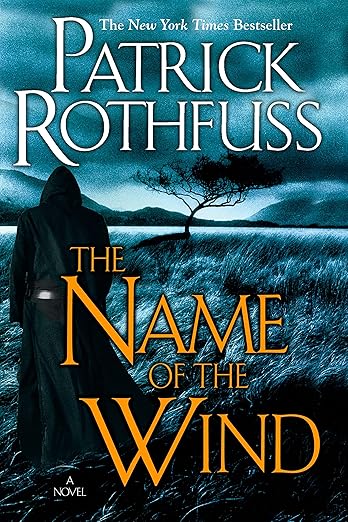
Romantic fantasy books — where the world and plot lead and the romance enriches rather than drives — include titles like The Name of the Wind by Patrick Rothfuss, which has romantic threads woven through an epic fantasy structure, Spinning Silver by Naomi Novik, which is fairy tale fantasy with a romantic core that still feels secondary to the broader story, and Uprooted also by Naomi Novik, which has a love story that develops slowly inside a much larger magical and political conflict. These are books that fantasy readers and romance readers can both enjoy, but where you would describe the plot first and the romance second when recommending them.
The most common types of fantasy romance include secondary world fantasy romance, which is set in fully invented worlds with magic systems, kingdoms, and lore; paranormal romance, which blends supernatural elements like vampires, demons, werewolves, or fae with a contemporary or urban setting; historical fantasy romance, which layers magic onto real historical periods; and dark fantasy romance, which leans into morally grey characters, danger, and emotional intensity. Beyond those main types, you also get cozy fantasy romance — lower stakes, warmer tone, workplace or community settings — and monster romance, which has exploded on Kindle Unlimited and focuses on non-human love interests like orcs, dragons, and alien shifters. Most romantasy you see recommended online falls somewhere in the secondary world or dark fantasy romance categories.
If you want a quick romantic fantasy list that covers different tones and structures, start here: Uprooted by Naomi Novik for fairy tale fantasy with slow build romance, The Cruel Prince by Holly Black for fae fantasy with enemies-to-lovers tension, Spinning Silver by Naomi Novik for fairy tale romance with sharp political stakes, Strange the Dreamer by Laini Taylor for lyrical fantasy with a romantic thread that builds across two books, and Daughter of the Moon Goddess by Sue Lynn Tan for epic fantasy inspired by Chinese mythology with a sweeping romantic arc. These all lean romantic fantasy rather than fantasy romance or romantasy, meaning the world and plot are doing significant structural work alongside the love story.
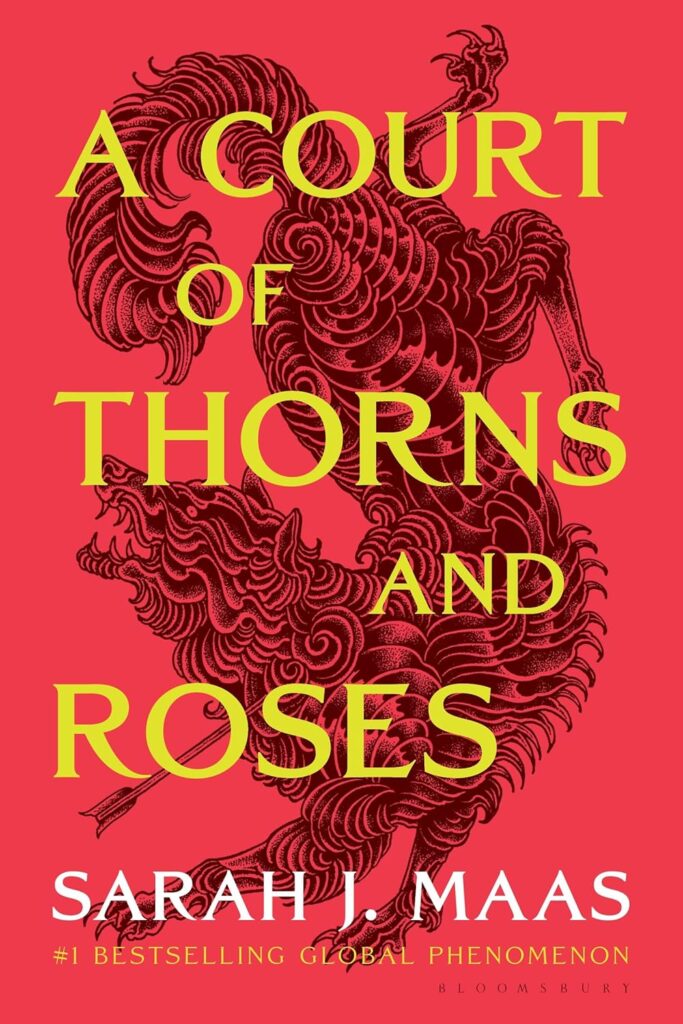
For new readers, the easiest entry points are Fourth Wing by Rebecca Yarros for fast paced dragon rider romance with immediate chemistry, A Court of Thorns and Roses by Sarah J. Maas as a gateway to the wider ACOTAR series, and The Bridge Kingdom by Danielle L. Jensen for political fantasy romance with strong slow burn tension. All three are widely available, have large reader communities, and are written to be accessible without requiring extensive prior knowledge of fantasy genre conventions. If you want something lighter and funnier as a first read, The Undertaking of Hart and Mercy by Megan Bannen is a gentler introduction to the romantasy space with cozy fantasy energy and a romance that feels genuinely warm rather than intense. If you want to start on Kindle Unlimited to keep costs low, the best romantasy books on KU covers both mainstream and rarer options.