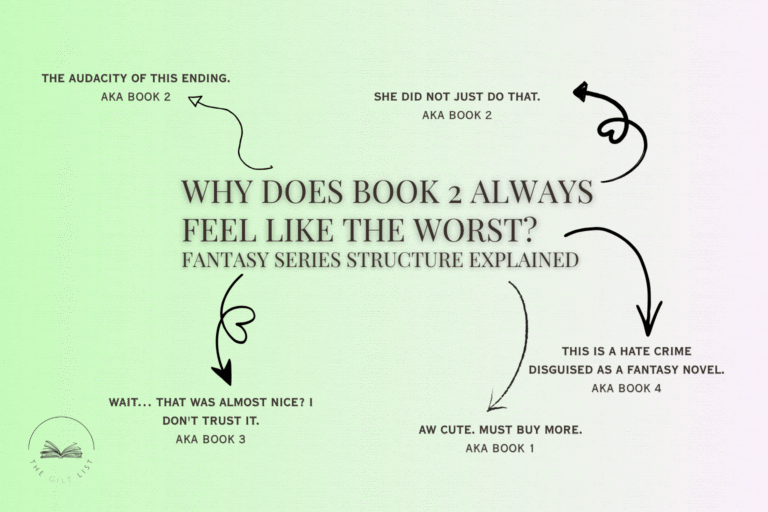

If you have ever finished a second book in a fantasy series, chucked it across the room in frustration, then this post is for you. Further, if you’re a writer and are stuck planning out your series then maybe this can give some insight. I’ve tried to keep this short, for every section, under every header, I could have gone into much more detail. If you’d like to hear more, reach out, and I’ll add it to the series.
When the 2nd book in the series makes you rage the answer is usually not that the author lost the plot; instead, they are following a structural blueprint you might just recognize once you read about it. You may even spot what kind of series you’re in, how much more pain is coming, and roughly when the author is legally required (kinda) to give you a win.
What is a series structure and why does it matter?
Series structure is the emotional roadmap of a multi-book story. A single novel has a three-act arc, setup, escalation, resolution. A series does the same thing, just stretched across thousands of pages and several books.
The problem is that tension is hard to sustain at full volume for that long, and frankly, it’s boring to read. Everything is dull if everything is too happy or too sad all the time. With no tension at all, the stakes suck, and you may find yourself asking why do I care? With too much, you will hit burnout and start skimming.
Good series structure manages that rhythm deliberately. The dark middle of a trilogy, the false peak of a five-book series, the self-contained arcs of a seven-book epic are structures that some authors live, breathe, and own.
Understanding the bones of the series you’re reading helps you trust the process, even when the process is currently making a mess of your evening and you’re wondering if book 3 is even worth it. Knowing the structure of a series before you commit to it is actually quite handy our romantasy rec page filters by series length and tone if you want to browse before you decide.
Join The List
Sign up and get all the latest book news, reviews, offers, & viral recs. Unsubscribe at any time.
By subscribing you agree to receive emails from The Gilt List. You can unsubscribe at any time.
The classic trilogy a three-act structure at full scale
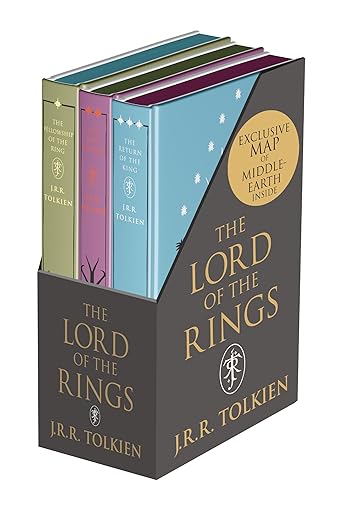
The trilogy is the gold standard of fantasy; it’s what’s expected when someone says there is more than one book. It maps the same setup-escalation-resolution arc of a single novel across three books instead of one. In a standalone, you’ll see all of these within the book itself. In a trilogy, you’ll see this pattern within the books and within the trilogy itself.
- Book 1 (The Setup, Act 1): Introduces the world, the central conflict, and the characters. It ends on rising action — enough resolution to feel satisfying, enough open threads to make book two feel like you need to go and buy it right now. Sometimes authors will end this on a cliffhanger to get the next sale (much to the chagrin of many a reader). But on occasion, the author never set out to write a book 2 or 3 until this one did well, so you may get everything tied up in a neat bow if you’re lucky, instead of a catastrophe. Think Twilight or The Hunger Games.
- Book 2 (The Dark Middle, Act 2): The structural low point, and the twist, in this book, something is generally revealed that changes the main character’s goal. The heroes lose something critical, too, as part of this reveal, or instead of it, maybe a mentor, a home, a belief they were holding onto. This is The Empire Strikes Back, The Two Towers, the second book of almost every beloved fantasy trilogy you can name. It’s supposed to hurt.
- Book 3 (The Resolution, Act 3): The characters use everything they’ve learned and lost to reach a definitive ending. It’s generally fast-paced, full of action, and ready to break your heart or make you squeal.
Why it works for readers: trilogies are tight. There is almost no room for filler subplots, which means the pacing tends to stay honest.
The downside: if the story needs more than three arcs to land properly, the trilogy structure can feel rushed at the end. Which is probably why so many fantasy series that started as trilogies quietly became something longer as the politics and world were to big to be contained.
Good catch. Here’s the duology section to slot in after the classic trilogy section:
The duology or the two books that break your heart cleanly
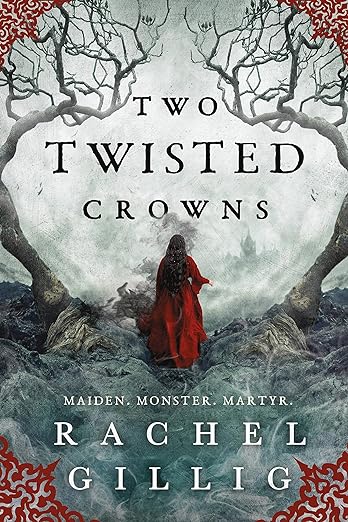
The duology is underrated as a structure and deserves more respect than it gets, some of my faves fall under this, Divine Rivals and the Shephard King anyone?
The shape of it:
- Book 1 (The World and the Want): Establishes everything, like the world, the characters, the central conflict, and the emotional stakes. Ends on a cliffhanger or a partial win that makes book 2 feel urgent rather than optional so that the story feels whole in two parts. The reader needs to feel like the story is only half-finished, which is hard to do without upsetting some readers. Leaving on a very dramatic cliffhanger might upset some enough not to pick up the next book.
- Book 2 (The Cost and the Resolution): Everything established in book 1 gets tested, broken, or transformed into a new story. The resolution has to work harder than in a trilogy because there’s no book 3 to ease the landing, it all has to pay off here.
Why it works: duologies are ruthlessly efficient and fast paced writing. There is no space for subplots that don’t earn their place, no filler arcs, and no middle book syndrome where everything gets a bit boring or too happy. The pacing tends to be propulsive because the author knows they have exactly one more book to close everything.
The risk: if the worldbuilding is complex or the character work needs more room, two books can feel too tight. A good example of this is the very long Alchemised (not a duology but a story that needed more than its containment). Duologies work best when the story is focused on one central relationship, one central conflict, one world that doesn’t need three books of lore to make sense. To hear more about Alchemised and what could have improved, what works, and what happened, check out my review.
In romantasy, the duology has become a popular choice for authors who want to tell a complete, contained love story without the commitment of a longer series. The Bridge Kingdom duology by Danielle L. Jensen is the obvious example — a tight political romance that lands exactly what it promises across two books without overstaying its welcome.
The five-book epic or the W-pattern explained
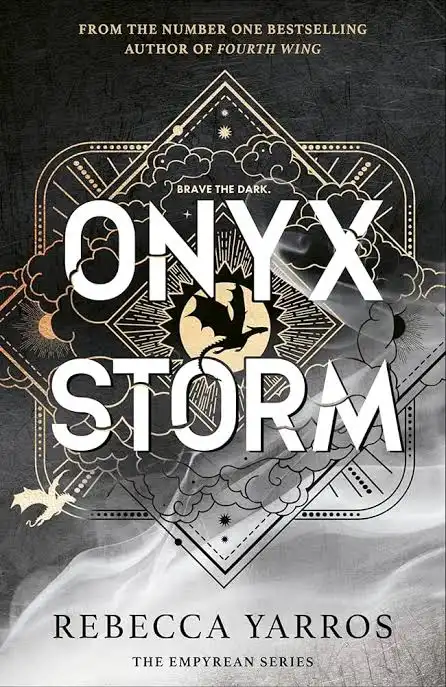
This is the structure most relevant to anyone currently surviving the Empyrean series wait — or any romantasy series where the author announced five books, and you made a face at your phone. If you want to know exactly why Onyx Storm ended the way it did and what it means for book 4, our Fourth Wing book 4 post covers the W-pattern in detail using the Empyrean series as the case study.
A simple rise and fall arc doesn’t work across five books because the emotional distance is too large. By book three, readers need a reason to keep going, which is where the W-pattern (also called the double-apex structure) comes in.
The shape of it:
- Book 1 — The High: Discovery, first wins, the world opening up. Stakes feel personal and exciting rather than apocalyptic.
- Book 2 — The First Drop: The realisation that the villain is actually unstoppable, or that the world is worse than it looked. Something is lost that cannot be taken back.
- Book 3 — The False Peak: The heroes get a proactive win, a marriage, an alliance, a secret weapon, an answer to a question they’ve been chasing. The point is to recharge the reader’s emotional batteries before what comes next. It feels too happy because it is, deliberately.
- Book 4 — The Absolute Floor: The win from book 3 is dismantled. This is the all is lost moment or the point where victory feels mathematically impossible and everything the series has built is on the table. Be prepared to lose the best friend character or the comic relief.
- Book 5 — The Final Ascent: Everything the characters have learned, lost, and survived feeds into a resolution that’s only earned because of all of the above.
Why it works: the false peak in book 3 is doing crucial structural work. Without it, the reader hits four consecutive books of escalating misery and burns out before the finale. The W-pattern paces the pain and makes it feel like winning is possible, or love has conquered.
The reader’s experience of this: if you’re deep in a five-book series and book 3 feels suspiciously settled, the characters are together, a big conflict resolved, someone got married, that is the kindling being set up to burn your little reader heart. Sorry.
The seven-book epic or the Harry Potter model
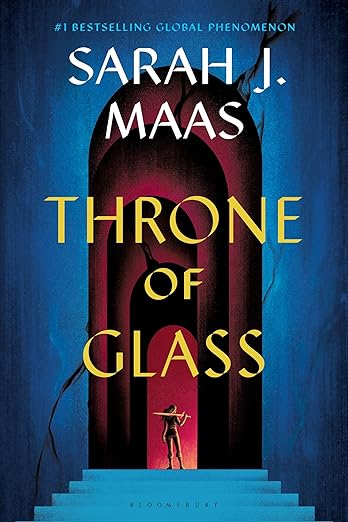
A seven-book series usually follows cyclical escalation. Each book has its own self-contained arc — a specific mystery, a yearly goal, a problem that resolves — but they all feed into one much larger, much darker endgame.
The phases:
- Books 1–3 (The Discovery Phase): Usually a trilogy of its own. Stakes feel personal and localised. By the end of this trilogy, the character should almost win, then have it all taken away. The reader is being onboarded and begins falling in love with the world and the characters, before the author needs them to care about losing both. Throne of Glass does this particularly well in books 1–3, they feel almost like a different, tighter story before the series blows the doors off entirely.
- Book 4 (The Fulcrum): The structural pivot of the entire series comes here; this is where the story shifts from adventure to war, and a major character death usually marks the transition. The happy world portion of the story is over and now things will start to get dark.
- Books 5–6 (The Cold War): Alliances fracture, secrets come out, and the world starts preparing for the final confrontation. Characters who were clearly good or bad in book 1 are a lot messier now. Everything feels a bit grim and messy in general.
- Book 7 (The Final Confrontation): Everything comes due.
Why it works: seven books gives a story enough room to watch characters grow in real time, build a world that feels genuinely inhabited, and earn a finale with weight. The reader has been with these people long enough that the losses in the final books land as grief, not just plot and there will be moments you remember forever.
The risk: seven books is a lot to ask of a reader upfront, and if the middle books lose momentum, the series can start to feel bloated, boring, or too predictable. Books 5 and 6 in particular tend to either be fan favourites or the ones people quietly admit they skimmed.
The linked standalone like the romance model
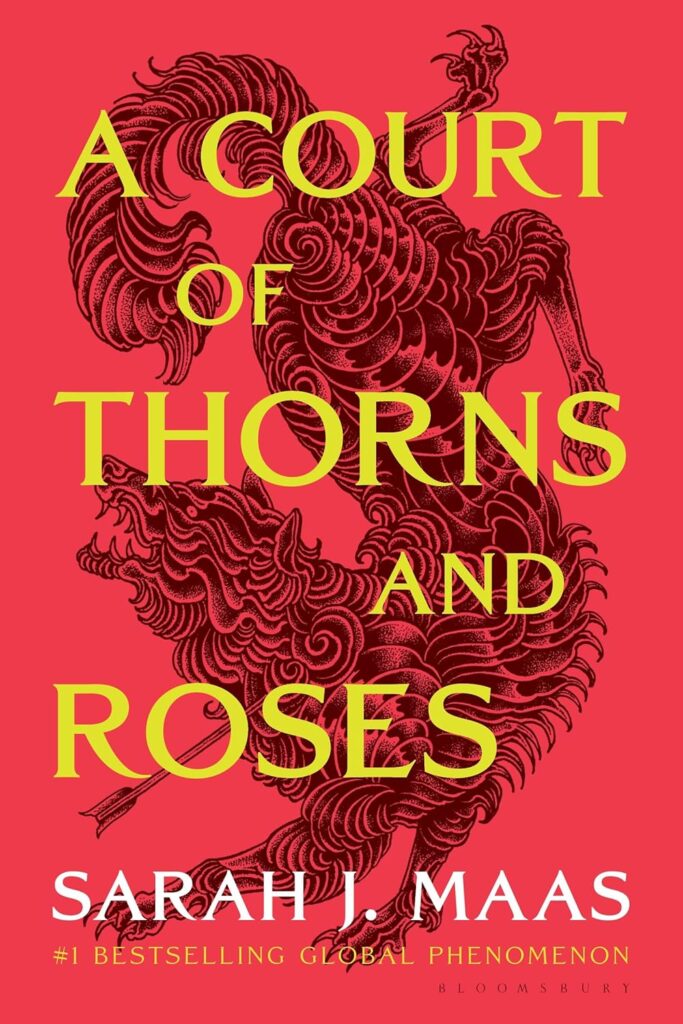
The linked standalone doesn’t build one sustained emotional arc across the whole series. Instead, each book follows a different couple or a different specific conflict, set in the same world or found-family group. Each book has its own happily ever after, and is basically its own thing. If you read in order you might enjoy it more, but it isn’t really needed.
The global thread: there’s usually a background plot quietly progressing across all the books, like a looming war, a family secret, a small town that’s growing and has drama, a slow-burn political crisis. It escalates slightly with every instalment, but it’s never the primary story of any single book. The romance is.
Why it works: reader satisfaction rates are high because every book delivers a complete emotional arc with a resolution, so you can pick and choose your story as you go. You’re never left dangling for two years waiting for the next hit. But the world keeps pulling you back, and by book five or six you’re invested in the overarching threat almost by accident.
Series that use this structure well — ACOTAR is the obvious one as it follows more than one character at the end of the series — tend to use it as a slow escalation device before pivoting into something more continuous later. If you want more like that, our books like ACOTAR list has a full breakdown organised by what exactly you’re chasing.
Why structure matters to the reader
If you’re reading a fantasy series and book 2 feels genuinely unbearable, and you’re wondering if you should keep reading, understand that’s probably just the setup, and the next book will likely help the series feel like a better experience.
If book 3 feels suspiciously peaceful and you’re not sure what the author intends, you’re probably in a five-book W-pattern. And if you’re six books into a seven-book series and the tone has shifted so dramatically it feels like a different story, then it kind of is.
Understanding the architecture doesn’t remove the emotional experience of reading. It just means you stop wondering if the author got lost and start trusting that they know exactly where they’re going, even when they’re currently making you miserable about it.
Join The List
Sign up and get all the latest book news, reviews, offers, & viral recs. Unsubscribe at any time.
By subscribing you agree to receive emails from The Gilt List. You can unsubscribe at any time.
Frequently Asked Questions
What is the W-pattern in a book series?
The W-pattern is a five-book series structure built around two emotional peaks and two drops, with a false peak in the middle of the series to prevent reader burnout before the final low point and resolution.
Why does book 2 always feel like the worst in a fantasy series?
Because in a trilogy, book 2 is the structural dark middle — the point where the heroes lose the most and hope feels furthest away. It’s intentional. The darkness in book 2 is what makes the resolution in book 3 feel earned.
Why does book 3 of a five-book series feel too happy?
In a W-pattern five-book series, book 3 is the false peak — a deliberate emotional reprieve before book 4 dismantles everything. If book 3 feels surprisingly settled, book 4 is almost certainly going to be the hardest one.
What is the difference between a trilogy and a five-book fantasy series structure?
A trilogy follows a simple three-act rise-fall-resolution pattern. A five-book series needs more complexity to sustain tension, so it uses the W-pattern: two drops, two peaks, and a false peak in the middle to keep readers emotionally engaged across a longer arc.
Does romantasy use the same series structure as epic fantasy?
Not always. Many romantasy series use a linked standalone structure, where each book centres a different couple and delivers its own complete emotional arc. The overarching world threat tends to escalate slowly across books rather than being the primary engine of any single instalment.