
The inciting incident in a fantasy novel should happen somewhere between the first chapter and the first 10–15% of the book, which is pretty broad, really, and doesn’t even begin to touch on the inciting incident before the inciting incident, which is popular in modern fiction and works great for engagement.
With that said, the real question is not “what page should the inciting incident be on?” but when does the reader understand what has changed, why it matters, and why this character has to move? Is there hesitation? And why do we need two of them? Phew, let’s jump in!
For more writerly tips, check out the Writers Hub, and if you want to know if your Act One is pulling its weight, try out the Act 1 Tool. This is a non-AI tool that analyzes your manuscript with you, applying current best practices. And if you want something a little more human, hi I’m Melissa, your friendly developmental editor see my first chapter editing page or email me melissa@thegiltlist.com
The Quick Takeaways
Before we go subgenre by subgenre, here is the rough guide:
- Romantasy, YA fantasy, urban fantasy, academy fantasy, and fantasy thriller usually need the inciting incident very early, think chapter one, chapter two, or within the first 5–10%
- Epic fantasy, high fantasy, political fantasy, and portal fantasy can delay the main inciting incident slightly, but the opening still needs pressure, desire, or a smaller initiating disruption running underneath
- Cosy fantasy can have a softer inciting incident, but it still needs to shift the character out of their old pattern
- Romantasy and fantasy romance often need two early pieces: the fantasy disruption and the relational one
- If your inciting incident happened before the book begins, the reader still needs to feel its consequences immediately on the page
How to think about a two-part inciting incident model:
- The story-world inciting incident — the event that disrupts the larger world, system, curse, court, war, school, or magical order
- The protagonist inciting incident — the moment that forces this specific character to engage with that disruption personally
What Actually Is an Inciting Incident?
An inciting incident is the event that disrupts the protagonist’s life and starts the main chain of story movement.
In fantasy, that disruption might be a magical power awakening, a monster attack, a letter from a school or guild, a death or disappearance, a forced betrothal, a curse activating, a portal opening, a dragon choosing the wrong person (because dragons live for drama), a prophecy becoming personal, or a secret about the protagonist’s identity surfacing.
Before the inciting incident, the character can keep living inside the old pattern. After it, something about that pattern is broken. They may resist. They may try to go back. But the story has started applying pressure and the reader should feel it.
Why the “10% Rule” Is a Starting Point, Not a Law
A lot of writing advice says the inciting incident should fall around the 10-15% mark. That can be a useful diagnostic but like all things in writing, it is not a rule.
If you are writing a 90,000-word urban fantasy, 10% lands around chapter two or three. Think right before entering the arena in The Hunger Games, and going to the train station and deciding to run through a wall in Harry Potter. If you are writing a 180,000-word epic fantasy, 10% is roughly 18,000 words, which is a significant ask on the reader’s behalf, which is why you need a lot more tension and moving parts to keep things interesting.
Which is why some fantasy writers get into trouble. They hear that fantasy readers tolerate setup, so they spend the first 40 pages explaining the world before anything truly destabilises the character. This won’t work, unless you’re well known in the industry, then sins are forgiven.
Here is why. Research by Jonathan Smallwood on mind-wandering found that readers do not drift because they are distracted but because the story stopped competing effectively for their cognitive resources. The reader’s own mind is always offering a rival narrative (their own life, their to-do list, the text they forgot to send). The moment your story stops being more compelling than that alternative, you lose them. You can be an incredible writer, but wrong placement can do you in. For a deeper dive into opening setups, I broke down The Hunger Games here, and have a guide on worldbuilding without overwhelm.
The 2 Inciting Incidents Model
Many fantasy novels have two inciting incidents. Think open with a bang that hooks the reader, then use chapters 2–4 to establish world and character, and then — just before Act Two — deliver the moment that makes retreat impossible. Got it? Let’s break it down further.
1. The Story-World Inciting Incident
This is the large-scale disruption that makes the plot possible. It may have happened before the book begins. It may happen off-page. It may involve forces the protagonist does not yet understand. But having it on the page is what a lot of best-sellers do. Think The Hunger Games reaping in Chapter 1 & 2, or Harry Potter receiving his letter, or the wolf in the forest in ACOTAR. Some books even open with history, think The Shepherd King trilogy, where we see the FMC running for her life from the physicians and taking on the curse.
This event throws the wider story system out of balance. The reader may not see it directly — it may live in the prologue or backstory — but it is the backing that everything else is running on.
2. The Protagonist Inciting Incident
This is the moment the disruption becomes personal to our main character. The protagonist cannot keep living as they were. They are called, forced, tempted, threatened, chosen, exposed, accused, recruited, cursed, attacked, or otherwise dragged into the story. ACOTAR and crossing the wall, in Fourth Wing, Xaden becomes Violette’s wingleader.
This is the inciting incident that requires a back and forth choice, something the character will begin to wrestle with internally that will change their entire world once they settle on the answer. Mar and Oatley’s research on fiction found that the brain’s engagement system requires a specific input to activate: a person, a want, and stakes. A kingdom in danger is information, a curse, or a war are all information that promise adventure. But a girl meeting a mysterious man she now has to work with for some reason or another, gives us something we personally know could happen to us. And that hooks us in.
Do You Need Both?
You probably need two inciting incidents if your fantasy novel has:
- A large external plot already in motion before the protagonist understands it
- A prologue showing a past war, murder, curse, prophecy, or magical disaster
- A protagonist who begins far away from the main conflict
- A political, magical, or historical problem that predates the main character
- A romance arc with its own relational disruption
- Multiple POVs entering through different conflicts
- If you want it to be a bingeable read that keeps readers on their toes
- If this is not a literary think piece
You may only need one if the protagonist directly experiences the main disruption in chapter one, the story is tightly focused on one immediate problem, and the worldbuilding is light enough that the premise lands quickly. Like a novella, or if the inciting incident is all the same sort of thing. The Hunger Games could be argued either way for example.
If your protagonist is attacked by a creature in chapter one and that attack reveals the existence of the magical world, that single event may do both jobs at once. But adding a little extra personal tension is never a bad thing.
When Should the Inciting Incident Happen by Subgenre?
Romantasy
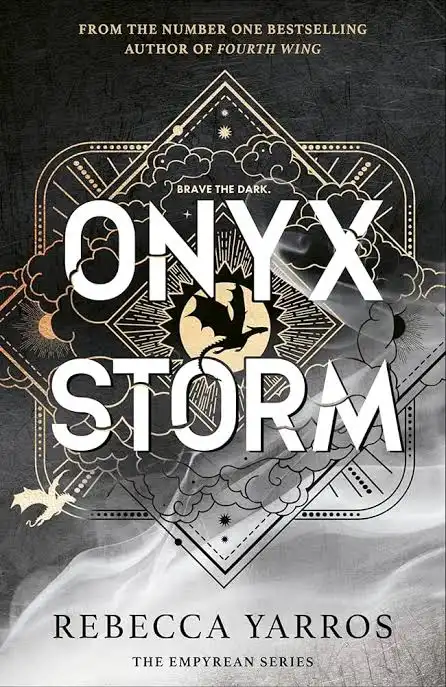
The inciting incident in romantasy should usually land in chapter one or chapter two, with both the fantasy plot and the romantic tension appearing early enough to signal the book’s promise. You might not meet the man, but you know there’s going to be one. A usual suspect example of this is Fourth Wing and Xaden’s appearance/Dane, or in The Hunger Games it’s Gale in the forest wishing for a life with Katniss. Caraval opens on someone else’s romance (other than the main FMC) and this is great foreshadowing. The romance of her sister is instantly dangerous as their father catches them, setting the tone of the book. In this world romance is dangerous. Done that way, the world takes more center stage than the romance, at least I feel so, but the romance still has a place.
The couple does not have to meet on page one. But the reader should understand that this book has emotional, romantic, or relational charge before they have read very far. If the opening promises a political epic for 60 pages and then suddenly pivots to romantasy, readers feel tricked, even if the romance is excellent once it arrives.
Romantasy typically needs two early disruptions: the fantasy one (war, curse, court danger, trial, attack, bargain) and the relational one (meeting the love interest, being forced into proximity, wanting someone wildly inconvenient).
Fantasy Romance
Fantasy romance is even less forgiving about delay because the romance is the central reading contract, not a bonus arc.
The inciting incident should appear in the first chapter or two, and the romantic setup should be visible early. The love interest does not have to appear on page one, but the story should quickly create a situation that puts the romantic arc in motion. Useful setups include an arranged marriage, a magical bond, forced proximity, a bargain with someone dangerous, a rescue that creates obligation, or an enemy who knows the protagonist’s secret.
Bride is a clean example of how to do this well. The arranged marriage is in the prologue and is the premise. A fantasy romance that earns its delay is one where the situation doing the delaying is the story, think the protagonist is already entangled in something that will become romantic, even if neither of them knows it yet. If you want to see my review breakdown on Bride you can check out the blog.
Epic Fantasy
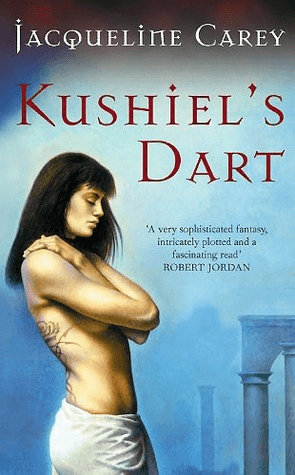
Epic fantasy can delay the protagonist’s inciting incident longer than most subgenres but only if the opening contains immediate pressure, mystery, conflict, or character desire.
The story-world inciting incident may have happened long before chapter one: the old empire fell, the gods vanished, the dark power is returning, the war has been running for years. Epic fantasy often begins after the fuse has already been lit. That is fine.
But the protagonist still needs an on-page disruption within the first 5–15% of the book. Assuming “epic” means “slow by default” is the mistake that kills epic fantasy openings. Epic fantasy readers are patient with scale not character. Any passionate D&D player can tell you that.
The Wheel of Time opens with the Dark One’s touch already on the land and Rand’s village already threatened. The world-level disruption is present from page one even in an 800-page book. The next inciting incident is an epic fantasy classic: leaving home for an adventure.
High Fantasy
High fantasy has more room for setup than fast commercial fantasy, but the inciting incident should still arrive in Act One usually before the reader starts wondering when the book actually begins.
The best high fantasy inciting incidents often reveal that the world’s rules are less stable than everyone thought like forbidden magic appearing in public, a sacred order making a mistake, a political ritual going wrong, the chosen heir failing a test, a trusted institution revealing corruption, and so on.
The Priory of the Orange Tree is a useful case study here because it gets accused of slow opening. It is 800 pages with multiple POVs and a world that requires serious orientation because of it and despite of it. But the inciting incidents are present early, think Ead’s secret mission to protect the Queen, Tané’s decision to hide the western stranger at enormous personal risk. Both are immediate, personal, costly choices. The worldbuilding is heavy, but it is attached to characters.
Urban Fantasy
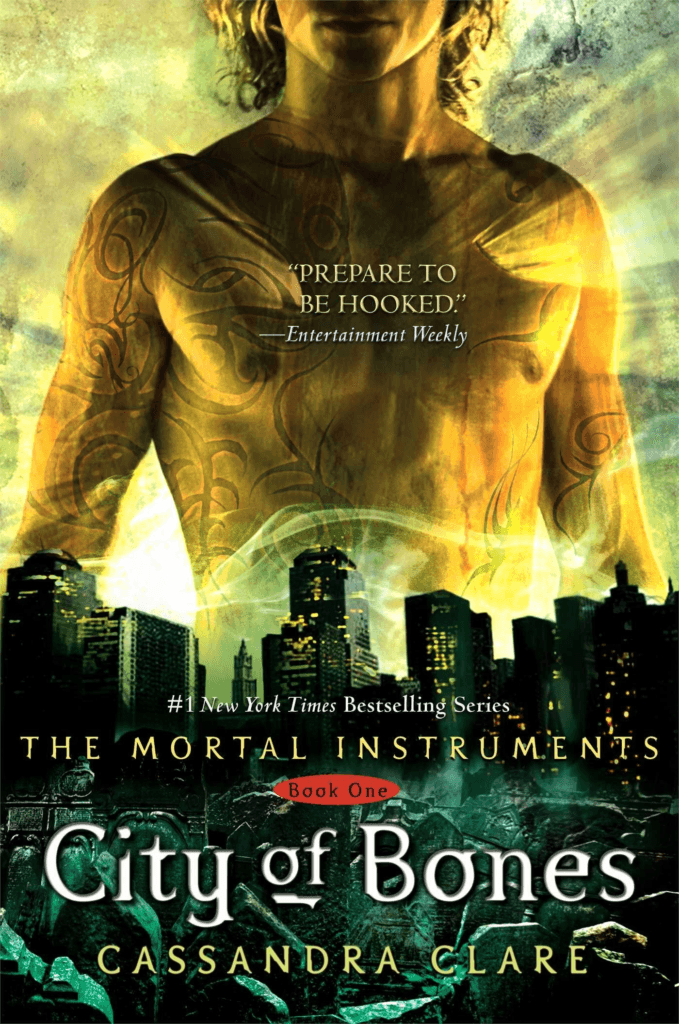
Urban fantasy usually needs a fast inciting incident. Chapter one is ideal. Chapter two is usually fine. In Bride we have the wedding fairly upfront and center from the get. With the protag inciting incident being the missing friend, and it could be argued that this book swaps the worldbuilding inciting incident with the personal, then brings them back together.
Because urban fantasy begins in a recognisable world, readers do not need much setup to understand the baseline so the fun comes from the magical disruption punching through the ordinary. Bitten is another example, an ordinary girl, with ordinary wants, who turns into a wolf in the opening, before she is called back to her pack to solve a mystery.
Portal Fantasy
Portal fantasy has one of the clearest inciting incident patterns: the portal, crossing, or magical threshold should appear early, usually chapter one or within the first few chapters.
The reader came for the crossing. You can absolutely spend time in the ordinary world first, but that ordinary world needs to do a specific job, aka, set up the protagonist’s emotional need, wound, longing, or dissatisfaction. Otherwise, the opening is the literary equivalent of waiting at the departure gate while someone explains customs forms.
Portal fantasy often has three beats: the ordinary-world pressure (the protagonist is unhappy, trapped, grieving, or missing something), the portal disruption (they cross), and the commitment beat (they realise this is not a quick visit). Bonus points if you make the characters’ wounds match the portal world, of course.
The Wizard of Oz is the template and it still works. Dorothy is trapped in a grey life where she wants to run away from home, the tornado is the portal, and she commits to getting home the moment she lands in Oz.
Academy Fantasy
Academy fantasy needs to get to the school, selection, or arrival early. The reader wants the institution… that is the whole premise.
Magical school, war college, assassin academy, dragon-rider training, witch conservatory, fae finishing school with a suspiciously high mortality rate… Act One needs to get there quickly, or make the path there compelling enough to justify the wait. Think Crave, we start right away on a flight to the school. Or Fourth Wing, we’re on our way to the academy immediately.
For academy romantasy, the relational piece should also appear early. Rival, mentor, forbidden instructor, enemy with cheekbones… we know what we came for. Give it to us quickly, and we’ll forgive you for holding it hostage for a couple of pages.
Dark Fantasy
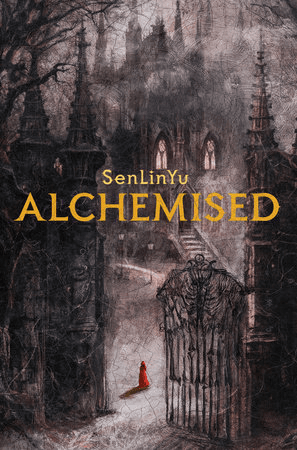
Dark fantasy can use a slower, moodier opening, but the inciting incident still needs to create unease, danger, or moral pressure early.
Atmosphere is not the same as plot pressure. There is a difference between “the haunted house I inherited from my aunt was spooky” and “there is a stalker outside, maybe, I think I saw someone in the woods.” One is mood. The other is a problem. Dark fantasy readers will accept dread-soaked pacing, but the dread needs to be attached to something specific that happens quite quickly, which you can even draw out, and should, to hold suspense and thrill. The inciting incident should usually appear within the first 10%. For this example, think Haunting Adeline, she moves into a creepy house, with a creepy backstory, and we’re more afraid of the man outside it, than the house itself.
Cozy Fantasy
Cozy fantasy can have a softer inciting incident, but it still needs one.
The change may be gentle like inheriting a shop, arriving in a new village, taking on an apprenticeship, discovering a small curse, adopting a strange creature, opening a bakery for witches. Cozy fantasy is often encouraged by emotional reset, community, healing, or low-stakes problem-solving rather than an urgent threat. But “low stakes” does not mean “no stakes.” The inciting incident still needs to shift the protagonist out of their old pattern and give them a reason to enter the new life, new place, or new emotional state.
Legends and Lattes by Travis Baldree is the obvious benchmark. Viv, the orc barbarian, walks into a city, buys a plot, and decides to open a coffee shop. But it completely disrupts her old pattern — she is a mercenary who has never done anything except fight — and the new life comes with its own pressures.
YA Fantasy
YA fantasy usually needs the inciting incident early. The market rewards clear momentum, strong voice, and fast emotional orientation. So give it to us right away.
A magical war matters more when it crashes into a teenager’s need for freedom, belonging, identity, revenge, or escape. The protagonist’s emotional problem is often just as important as the external fantasy disruption. Throne of Glass, for instance, puts Celaena in the salt mines and then immediately extracts her with an offer she cannot refuse.
Fantasy Mystery and Fantasy Thriller
Fantasy mystery and fantasy thriller need an early destabilising event. Usually chapter one.
A body. A disappearance. A magical crime. A forbidden object. A threat. Something that creates a question the reader wants answered. These subgenres rely on questions, so the reader needs to know what they are tracking from very early on. Your reader in this genre is taking notes and trying to figure out the mystery right away.
Sorcery of Thorns opens with a Malefict loose in the library and the Director dead by chapter one. Elisabeth is implicated in the crime before she understands what even the fudge happened. That is three inciting incident beats in rapid succession.
The Act 1 Tool
If you are trying to check how your opening is landing, the Act 1 Tool is a useful place to run your first chapter before you decide anything drastic. It covers many genres and can help you walk through your Act 1 (without using AI) to find what you might be missing in yours. It won’t tell you that you have to change it, but it will explain why you might need it, so you can make a sound judgment as a writer. If you want real human expertise, I also offer developmental editing.
The Psychology Behind Why Delayed Inciting Incidents Fail
Research by Green and Brock identified something called “transportation”. This is the mental state of being so absorbed in a story that the real world recedes. But transportation has an on/off quality, and what breaks it is not bad prose (ok, well sometimes) but more often than not it’s speed bumps: moments of confusion, a name you cannot place, a tonal mismatch, a paragraph that requires re-reading to parse.
A slow opening with no disruption and a lot of worldbuilding is a string of potential speed bumps. Your reader is analyzing the text, not immersed and wondering where the time went.
The solution is not always move the inciting incident to page one, instead we might need to make the pages before it earn their keep. We might need to take the history and put it in the opening. There are a lot of fixes to the problem but essentially before the inciting incident, the reader needs: who the protagonist is, what they want right now, what “normal” looks like, what pressure already exists, and what they stand to lose.
A Simple Test for Fantasy Writers
Your inciting incident is probably working if it does five things:
- Disrupts the protagonist’s current pattern — something changes that cannot be easily ignored
- Creates a new problem, opportunity, or threat — the character now has something to respond to
- Points toward the central genre promise — the event tells us whether this is romance, mystery, quest, court intrigue, academy fantasy, cosy magic, or something darker
- Forces movement — the protagonist may resist, but the story has started pushing them
- Raises a question — the reader wants to know what happens next, what it means, or what the character will do
If it only does one of those, it may be too weak.
What If the First Chapter Still Feels Slow?
Then the issue may not be the inciting incident’s placement but what came before it. For that, I have a full Chapter One checklist with a downloadable worksheet.
Before the inciting incident, cut or revise anything that does not create at least one of these: curiosity, character desire, emotional attachment, pressure, contrast, dread, romantic tension, a question, a promise, or a meaningful change in the reader’s understanding. Cut it, then re-read your story and see how it feels. You might think, darn I’m missing that piece of worldbuilding now that would make this make way more sense…if so, can that be slotted into the remaining scenes? If yes, keep the cut, if no, try adding just that back. Re-read again. Rinse repeat.
Unfortunately, you might still be too close to the story to really know. If that’s the case, send it to a developmental editor and see what they think.
So When, Exactly Should You Put Your Inciting Incident?

Your fantasy inciting incident should happen as soon as the reader has enough context to feel it. If it’s easy to understand, slap it front and center.
For fast fantasy, romantasy, fantasy romance, urban fantasy, YA fantasy, academy fantasy, and fantasy thriller: usually chapter one or chapter two.
For epic fantasy, high fantasy, political fantasy, portal fantasy, and atmospheric dark fantasy: you may have more room and need to explain a bit.
And if your story has two inciting incidents, name them clearly in your own head:
- What event destabilised the larger world?
- What event personally drags the protagonist into that disruption?
Once you can answer both, Act One becomes much easier to diagnose, and you will be able to tell what your character needs to resolve by the end of the book (both the world disruption, and their inner one).
If your opening still feels like the real story begins later, the problem is probably placement, promise, or pressure, not prose. Head to the Writer Hub to dig into Act One structure, run your first pages through the Act 1 Tool, or book a First Chapter Critique if you want a genre-trained second opinion on your opening.
FAQ: Inciting Incidents in Fantasy Novels
Within the first 10–15% of the book, with faster subgenres like romantasy, urban fantasy, YA fantasy, and academy fantasy often needing it in chapter one or two. Epic and high fantasy can delay it slightly, but the opening still needs pressure running underneath.
Yes. Many do. One that disrupts the wider story world, and one that personally pulls the protagonist into the conflict. They may be the same scene or completely separate — either way, the reader needs to feel both.
No. The inciting incident disrupts the protagonist’s life and starts story movement. The first plot point comes later, near the end of Act One, when the protagonist commits to the main story path or crosses a threshold they cannot easily undo.
Yes, especially in fantasy. It works when the story opens in the aftermath of that event. The reader should feel its consequences immediately — through the world, the protagonist’s choices, or the conflict available in the opening pages.
Readers may feel the story has not started yet. Cognitive research suggests this is not passivity — it is the reader’s brain actively choosing a more compelling alternative narrative. Give readers something to grip before they drift.
One that creates both plot movement and relational tension. A forced bargain, arranged marriage, dangerous rescue, magical bond, court summons, or enemy alliance can all work — as long as the event disrupts the protagonist’s life and signals both the fantasy stakes and the romantic arc.
Not necessarily. But it needs a reason to keep reading. If the inciting incident does not appear in chapter one, that chapter still needs pressure, curiosity, character desire, emotional tension, or a clear story promise. Otherwise the reader is waiting for the book to begin, and their brain is very happy to help them do something else instead.